
Security Camera Systems in Kosovo Raise Debate Over Cyber Risks and National Safety
Authorities defend infrastructure while experts warn about vulnerabilities in private networks
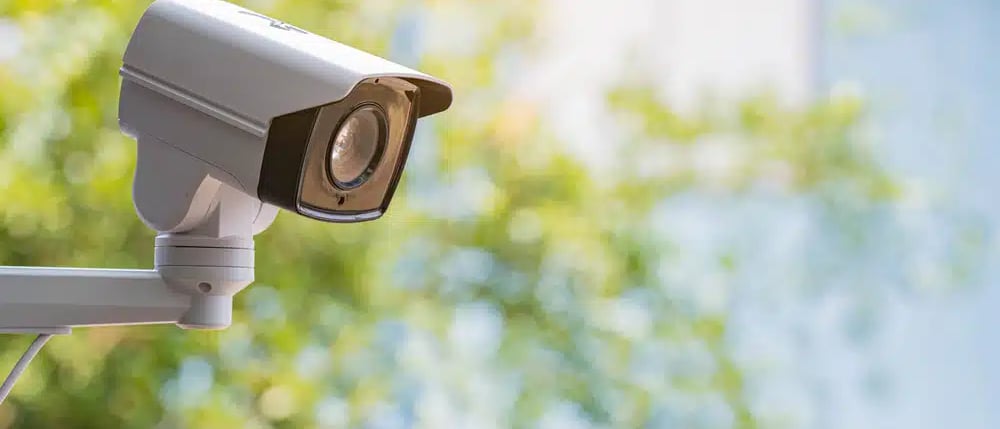
Public institutions in Kosovo have reaffirmed that state-operated surveillance systems (sistemet e mbikëqyrjes shtetërore) play a central role in maintaining security and preventing crime across urban areas. Cameras installed in cities are described as essential tools for public safety monitoring (monitorimi i sigurisë publike), with authorities emphasizing that their operation complies with legal frameworks and strict data protection procedures.
Municipal and police representatives maintain that access to footage is tightly restricted and controlled exclusively by the Kosovo Police. This centralized oversight is presented as a safeguard ensuring both data integrity (integriteti i të dhënave) and national security. According to officials, the system is designed to prevent unauthorized access and eliminate the possibility of interference by external actors.
In multiple municipalities, including Pristina, North Mitrovica, Prizren, and Obiliq, public cameras are continuously monitored by law enforcement institutions. Authorities insist that this structure leaves no room for external interference (ndërhyrje e jashtme), particularly from Serbia. The system’s architecture and operational control are described as fully aligned with domestic legislation governing surveillance and data usage.
Local officials have also addressed concerns regarding the origin of the equipment. In Pristina, the installed cameras are produced by Avigilon, a Canadian manufacturer, rather than suppliers from Russia or China. This distinction is highlighted as a factor contributing to higher security standards in technology procurement (standarde sigurie në prokurimin teknologjik), reducing perceived geopolitical risks associated with surveillance infrastructure.
Police authorities further clarified that all recorded data is processed centrally by the General Police Directorate in Pristina, ensuring consistency in data processing protocols (protokolle të përpunimit të të dhënave). Officials confirmed that the same procedures apply across all regions, including northern municipalities, reinforcing the claim that the system operates uniformly and securely throughout the country.
Cybersecurity specialists largely support the reliability of state-managed systems but draw a clear distinction when it comes to privately owned cameras. Experts warn that many private devices are vulnerable due to poor configuration or maintenance, exposing them to internet-based exploitation (shfrytëzim përmes internetit). These weaknesses can create entry points for unauthorized access, potentially compromising broader network security.
One expert noted that privately installed cameras are often accessible online, increasing risks of network compromise (komprometim i rrjeteve). Recommendations include stronger investment in cybersecurity infrastructure, closer cooperation with international partners such as NATO, the United States, and the European Union, and the introduction of legal requirements for reporting cyber incidents. These measures aim to strengthen resilience against emerging threats.
Another cybersecurity specialist emphasized that while state-controlled cameras remain secure, privately managed systems could theoretically be exploited in intelligence operations. He referenced past examples of data exploitation in conflict scenarios (shfrytëzim i të dhënave në skenarë konflikti), suggesting that similar methods could be attempted in Kosovo. However, he added that Serbia is unlikely to possess the necessary technical capacity to execute such operations effectively.
Public perception appears largely supportive of surveillance measures. Citizens report feeling safer due to the presence of cameras, associating them with improved crime detection capabilities (aftësi për zbulimin e krimeve). This reflects a broader acceptance of surveillance as a tool for enhancing security, despite ongoing discussions about privacy and technological risks.
The issue of cybersecurity also intersects with international commitments. Under the Washington Agreement 2020, Kosovo committed to avoiding the use of technology from untrusted vendors, particularly in 5G infrastructure. The agreement requires both Kosovo and Serbia to prohibit such equipment and remove it where already present, reinforcing standards for secure communication networks (rrjete komunikimi të sigurta).
Overall, the situation illustrates a dual dynamic: confidence in state-managed surveillance systems alongside concern about vulnerabilities in private infrastructure. While authorities stress the robustness of institutional controls, experts highlight the importance of addressing gaps in cybersecurity to prevent potential risks to national security frameworks (kornizat e sigurisë kombëtare).
In multiple municipalities, including Pristina, North Mitrovica, Prizren, and Obiliq, public cameras are continuously monitored by law enforcement
Send us your suggestions to: pr@albanian-institute.com


Come visit Albania!
© Copyright 2026 Albanian Institute
Learn the official language of Albania and Kosovo in 30 days thanks to our complete Grammar, Vocabulary and Culture courses. Start speaking Albanian today!