Loan Demand in Kosovo Remains Strong Despite Rising Interest Rates
High borrowing costs increase financial pressure while credit demand continues across households and businesses.
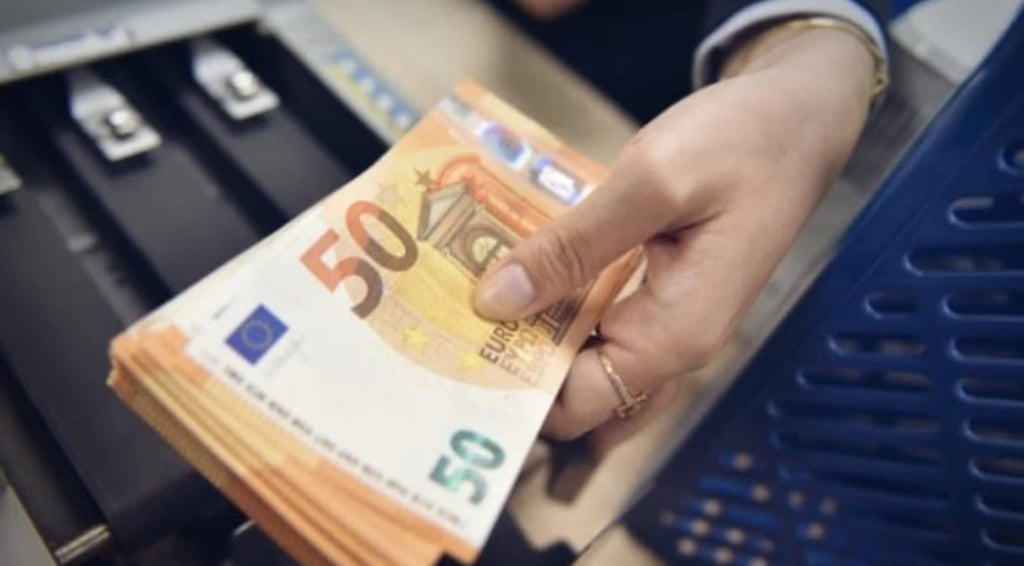

Demand for borrowing in Kosovo has remained steady even as interest rates (norma interesi) have increased, reflecting continued reliance on credit by both individuals and businesses. According to data from the Association of Banks of Kosovo, new loans totaling €2.684 million were issued during 2025, highlighting sustained activity in the country’s lending market (treg huadhënie).
Despite the persistence of borrowing, financial conditions have become more challenging. Higher interest rates and stricter lending requirements have intensified pressure on borrowers, particularly affecting household finances. The rise in loan costs (kosto kredie) has made repayment more demanding, especially for families with limited income and unstable financial resources.
In the past year, average borrowing costs increased significantly. By the end of 2025, the average rate for personal loans reached 6.37%, while business loans stood at 7.06%. These levels have influenced both consumer behavior and investment decisions, creating obstacles for business investment (investim biznesi) and slowing expansion plans in several sectors.
Business representatives have expressed concern that these financial conditions are contributing to broader economic challenges. The Kosovo Business Alliance argues that high borrowing costs are not providing relief but instead deepening financial strain. They point to growing risks of financial hardship (vështirësi financiare) among households and small enterprises, particularly in rural and agricultural areas.
Agim Shahini, President of the Kosovo Business Alliance, stated in an interview with Radio Kosova that local businesses are striving to remain active, productive, and competitive. “This requires financial support, which primarily comes from commercial banks that charge high interest rates, as well as from microfinance institutions. This complicates the situation for both citizens and businesses, and has recently led to an increase in usury, as lending criteria have tightened,” Shahini explained.
The tightening of lending criteria has also been linked to an increase in informal lending practices. As access to formal credit becomes more difficult, some individuals and businesses turn to alternative sources of financing, contributing to the spread of usury practices (kamatëvënie) in the economy. This trend raises concerns about financial stability and consumer protection.
Saxhide Mustafa from the Riinvest Institute also addressed the issue, highlighting that high interest rates are contributing to citizens' financial struggles. “Alongside rising inflation, interest rates in the banking system have undoubtedly increased. When citizens face inflationary pressures and a lack of cash flow, they are more likely to seek loans and credit cards, which further impoverish them due to the high interest associated with these financial products,” Mustafa noted.
Inflation has played a significant role in shaping borrowing behavior, as rising prices reduce purchasing power and increase the need for external financing. The interaction between inflation pressure (presion inflacioni) and high borrowing costs creates a cycle in which households rely more heavily on credit while facing greater repayment challenges.
Data from the banking sector further illustrates how credit is distributed across the economy. Out of a total of €6.666 million in loans issued, 57.8% were allocated to businesses, while 41.9% went to households. This distribution reflects the importance of credit for maintaining economic activity, particularly in supporting business operations (operacione biznesi) and consumption.
Looking ahead, expectations for 2026 suggest that demand for loans will remain stable or continue to grow, despite the financial constraints. The banking sector is likely to remain a key source of funding, even as borrowers navigate higher costs and stricter requirements.
The overall situation indicates a complex balance between the need for financing and the risks associated with borrowing under less favorable conditions. As interest rates remain elevated, the impact on households and businesses will depend on broader economic factors, including inflation trends and access to alternative funding sources.
Key Albanian Vocabulary
norma interesi interest rates
treg huadhënie lending market
kosto kredie loan costs
investim biznesi business investment
vështirësi financiare financial hardship
kamatëvënie usury practices
presion inflacioni inflation pressure
operacione biznesi business operations
Households and businesses continue to rely on borrowing despite rising financial pressures and stricter lending conditions.
Send us your suggestions to: pr@albanian-institute.com
Come visit Albania!
© Copyright 2026 Albanian Institute
Learn the official language of Albania and Kosovo in 30 days thanks to our complete Grammar, Vocabulary and Culture courses. Start speaking Albanian today!