Kosovo Suspends Livestock Imports from Albania Following Disease Outbreak
Temporary restrictions introduced after confirmed cases of PPR raise concerns over animal health and agricultural safety
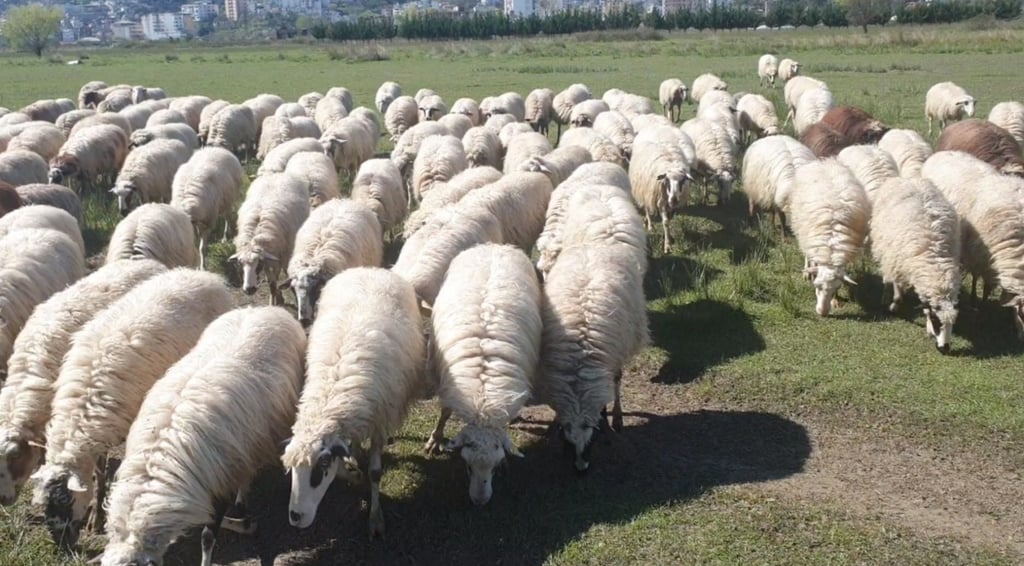
Kosovo authorities have introduced a temporary ban on imports of sheep and goats from Albania following confirmed cases of peste des petits ruminants (murtaja e bagëtive të imta) in the neighboring country. The decision was announced by the Kosovo Food and Veterinary Agency, which cited concerns over the spread of this highly contagious livestock disease and the need to protect animal health (shëndeti i kafshëve).
The restriction targets cross-border trade in small ruminants, a key component of agricultural activity in both Kosovo and Albania. By halting imports, authorities aim to prevent the transmission of the disease into Kosovo’s domestic farming sector, safeguarding local herds and maintaining biosecurity measures (masa biosigurie) across the livestock industry.
Peste des petits ruminants, commonly referred to as PPR, is a viral disease that primarily affects sheep and goats. It can cause severe economic losses due to high mortality rates and reduced productivity. The implementation of import controls is a standard response in such situations, designed to limit the movement of potentially infected animals and contain outbreaks through disease control policies (politika kontrolli sëmundjesh).
The decision also reflects the importance of veterinary surveillance systems in monitoring animal health risks. Authorities rely on confirmed cases reported by veterinary services to guide policy responses, ensuring that preventive measures are taken promptly. This approach supports agricultural protection (mbrojtje bujqësore) and helps avoid disruptions to food supply chains.
Livestock trade plays a significant role in rural economies across the Western Balkans, where many farmers depend on animal husbandry for income. The temporary ban may therefore have economic implications, particularly for cross-border transactions involving small-scale producers. However, such measures are considered necessary to preserve long-term stability within the sector and prevent larger outbreaks.
Veterinary agencies across Europe typically coordinate responses to transboundary animal diseases, following guidelines that emphasize early detection, movement restrictions, and monitoring. These efforts contribute to maintaining food safety standards (standarde sigurie ushqimore) and protecting both producers and consumers.
The current restriction is expected to remain in place until the situation in Albania is brought under control and veterinary authorities confirm that the risk of transmission has been reduced. Decisions on lifting the ban will depend on ongoing assessments and the effectiveness of containment measures implemented in affected areas.
In addition to immediate containment, such events highlight the need for continued investment in veterinary infrastructure and regional cooperation. Strengthening cross-border coordination (koordinim ndërkufitar) is essential for managing animal health risks and ensuring that outbreaks are addressed efficiently.
The introduction of the import ban demonstrates how agricultural policy and public health considerations intersect in the management of livestock diseases. By acting quickly, Kosovo authorities aim to minimize potential damage to the agricultural sector and maintain stability in rural production systems.
Key Albanian Vocabulary
murtaja e bagëtive të imta peste des petits ruminants
shëndeti i kafshëve animal health
masa biosigurie biosecurity measures
politika kontrolli sëmundjesh disease control policies
mbrojtje bujqësore agricultural protection
standarde sigurie ushqimore food safety standards
koordinim ndërkufitar cross-border coordination
Livestock farming controls in the Balkans highlight the importance of disease prevention measures in cross-border trade.
Send us your suggestions to: pr@albanian-institute.com
Come visit Albania!
© Copyright 2026 Albanian Institute
Learn the official language of Albania and Kosovo in 30 days thanks to our complete Grammar, Vocabulary and Culture courses. Start speaking Albanian today!