Kosovo Recognises 1,925 Survivors of Wartime Sexual Violence as Institutional Support Efforts Continue
Government highlights responsibility, justice mechanisms, and ongoing challenges of stigma and access to recognition
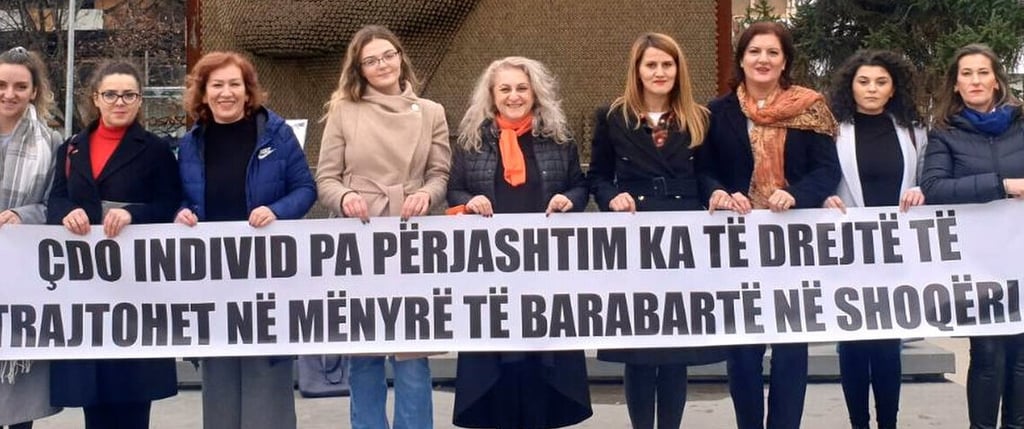
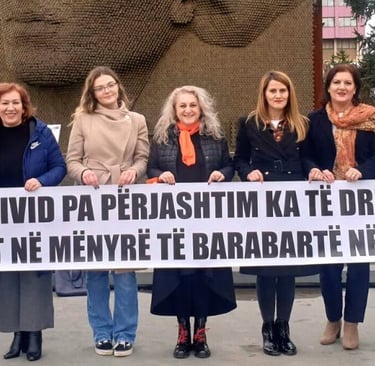
The Government of Kosovo has officially recognised 1,925 individuals as survivors of wartime sexual violence, according to Prime Minister Albin Kurti, marking a significant step in institutional recognition processes (procese të njohjes institucionale) for one of the most sensitive consequences of the conflict. The figures were confirmed by the Government Commission responsible for verifying survivor status, reflecting ongoing efforts to address post-war justice obligations (detyrime të drejtësisë pas luftës) through formal mechanisms.
Speaking on April 14, designated as the Memorial Day for survivors, Kurti described the issue as one of the most severe and long-silenced impacts of the war. He emphasised that the suffering endured by survivors remained hidden for years due to social stigma barriers (pengesa të stigmës sociale), fear, and limited opportunities for testimony. He stated that Kosovo’s institutions carry both a moral and legal duty to ensure public acknowledgment of trauma (njohje publike e traumës) and provide pathways toward justice.
The Government Commission for Recognition and Verification of Status plays a central role in this process, operating through what officials describe as a confidential verification framework (kuadër verifikimi konfidencial). The commission aims to ensure that survivors are treated with dignity while offering a secure environment for applications. Authorities have stressed the importance of survivor-centered procedures (procedura të përqendruara te të mbijetuarit) that take into account individual experiences and sensitivities.
Despite the progress made, many survivors have not come forward. According to Kurti, ongoing hesitation reflects continued challenges related to stigma and lack of information. He stated: “Here lies our responsibility to strengthen efforts, bring information closer, and ensure that no one remains unsupported or uninformed,” underlining the need for improved information outreach strategies (strategji të shpërndarjes së informacionit) and closer cooperation with local communities.
The testimonies of survivors highlight the necessity of combining social support systems (sisteme mbështetjeje sociale) with formal justice mechanisms. Kurti described assistance to survivors as a continuous responsibility, requiring long-term institutional commitment rather than temporary measures. This includes psychological care, financial support, and legal recognition as part of a broader integrated support approach (qasje e integruar mbështetëse).
Kosovo has also taken steps to address wartime abuses through broader policy initiatives. The adoption of a Transitional Justice Strategy represents an effort to formalise war crimes documentation processes (procese dokumentimi të krimeve të luftës) and strengthen accountability mechanisms. These initiatives aim to ensure that violations are recorded and addressed within a structured legal and historical framework.
Financial and institutional support has been directed toward organisations that assist survivors, including rehabilitation and advocacy groups. These efforts contribute to civil society engagement mechanisms (mekanizma të angazhimit të shoqërisë civile) that complement state-led initiatives. Such organisations provide essential services, including counselling, legal assistance, and community reintegration support.
However, challenges remain in ensuring full accessibility to recognition processes. Administrative procedures, awareness gaps, and lingering social stigma continue to limit participation. Kurti highlighted the need to improve application accessibility systems (sisteme të aksesueshmërisë së aplikimit) and build stronger trust between institutions and citizens. Increasing transparency and responsiveness is considered essential for encouraging more survivors to come forward.
The broader context of transitional justice in post-conflict societies underscores the importance of sustained institutional engagement. International experiences indicate that addressing wartime sexual violence requires long-term policies focused on recognition, reparations, and prevention. Kosovo’s efforts align with these principles but continue to face structural and societal challenges linked to post-conflict reconciliation frameworks (kuadër i pajtimit pas konfliktit).
In his concluding remarks, Kurti reaffirmed the government’s commitment to justice and equality, stating: “We stand side by side on the path of justice and equality.” This statement reflects the ongoing effort to strengthen institutional trust-building processes (procese të ndërtimit të besimit institucional) and ensure that survivors are supported through both legal recognition and social inclusion.
Key Albanian Vocabulary
procese të njohjes institucionale institutional recognition processes
detyrime të drejtësisë pas luftës post-war justice obligations
pengesa të stigmës sociale social stigma barriers
njohje publike e traumës public acknowledgment of trauma
kuadër verifikimi konfidencial confidential verification framework
procedura të përqendruara te të mbijetuarit survivor-centered procedures
strategji të shpërndarjes së informacionit information outreach strategies
sisteme mbështetjeje sociale social support systems
qasje e integruar mbështetëse integrated support approach
procese dokumentimi të krimeve të luftës war crimes documentation processes
mekanizma të angazhimit të shoqërisë civile civil society engagement mechanisms
sisteme të aksesueshmërisë së aplikimit application accessibility systems
kuadër i pajtimit pas konfliktit post-conflict reconciliation frameworks
procese të ndërtimit të besimit institucional institutional trust-building processes
A Kosovo Security Forces member searches for mines from the 1998-1999 war.
Send us your suggestions to: pr@albanian-institute.com
Come visit Albania!
© Copyright 2026 Albanian Institute
Learn the official language of Albania and Kosovo in 30 days thanks to our complete Grammar, Vocabulary and Culture courses. Start speaking Albanian today!