Kosovo Parliament Moves to Criminalize Denial of War Crimes by Serbian Forces
Opposition-backed resolution targets distortion, minimization, and glorification of atrocities during the 1998–1999 conflict
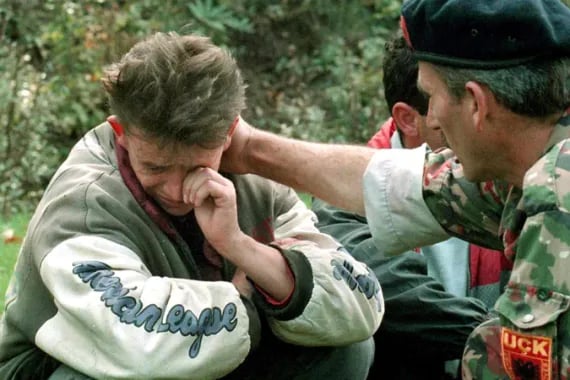
The legislative body in Prishtina has taken a formal step toward revising its penal framework by approving a resolution that commits to changes in the criminal code. The initiative, supported by opposition political groups, seeks to ensure that denial of war crimes (mohimi i krimeve të luftës) and distortion of documented atrocities (shtrembërimi i mizorive të dokumentuara) linked to the 1998–1999 conflict become punishable offenses. The resolution reflects a broader institutional effort to address accountability gaps and reinforce legal protections surrounding historical truth.
According to the adopted text, lawmakers intend to introduce legal provisions that would also penalize the minimization of crimes (minimizimi i krimeve) and actions that constitute a violation of victims’ dignity (shkelja e dinjitetit të viktimave). In addition, the framework aims to outlaw the glorification of war crimes (lavdërimi i krimeve të luftës), extending criminal liability to individuals or entities that publicly justify or praise such acts. These measures are designed to align Kosovo’s legal system with broader European standards on addressing genocide denial and war crimes revisionism.
The resolution specifically references crimes committed during the 1998–1999 war in Kosovo, a conflict that resulted in thousands of deaths and widespread displacement. International judicial bodies, including the International Criminal Tribunal for the former Yugoslavia, have previously documented and prosecuted numerous cases related to systematic violence (dhuna sistematike) and ethnic persecution (persekutimi etnik) during that period. The new legislative push builds on these established findings by seeking to embed accountability mechanisms directly into domestic law.
Political representatives backing the initiative argue that legal amendments are necessary to counter persistent narratives that deny or reinterpret documented crimes. They emphasize that historical accountability (përgjegjësia historike) and judicial enforcement (zbatimi gjyqësor) are essential for long-term reconciliation and the protection of collective memory. While the resolution itself does not immediately change the law, it obliges relevant institutions to draft and adopt the necessary legal amendments in the coming period.
The move comes amid ongoing tensions between Kosovo and Serbia, where disputes over the interpretation of past events remain a central political issue. By advancing this resolution, Kosovo’s parliament signals its intention to formalize legal consequences for revisionist narratives and strengthen institutional responses to war crimes denial (mohimi i krimeve të luftës) and public justification of atrocities (justifikimi publik i mizorive).
Key Albanian Vocabulary
mohimi i krimeve të luftës denial of war crimes
shtrembërimi i mizorive të dokumentuara distortion of documented atrocities
minimizimi i krimeve minimization of crimes
shkelja e dinjitetit të viktimave violation of victims’ dignity
lavdërimi i krimeve të luftës glorification of war crimes
dhuna sistematike systematic violence
persekutimi etnik ethnic persecution
përgjegjësia historike historical accountability
zbatimi gjyqësor judicial enforcement
justifikimi publik i mizorive public justification of atrocities
Ethnic Albanian refugees flee their homes in 1999 during a systematic campaign of ethnic cleansing by Yugoslav and Serbian security forces, which displaced over one million people.
Send us your suggestions to: pr@albanian-institute.com
Come visit Albania!
© Copyright 2026 Albanian Institute
Learn the official language of Albania and Kosovo in 30 days thanks to our complete Grammar, Vocabulary and Culture courses. Start speaking Albanian today!