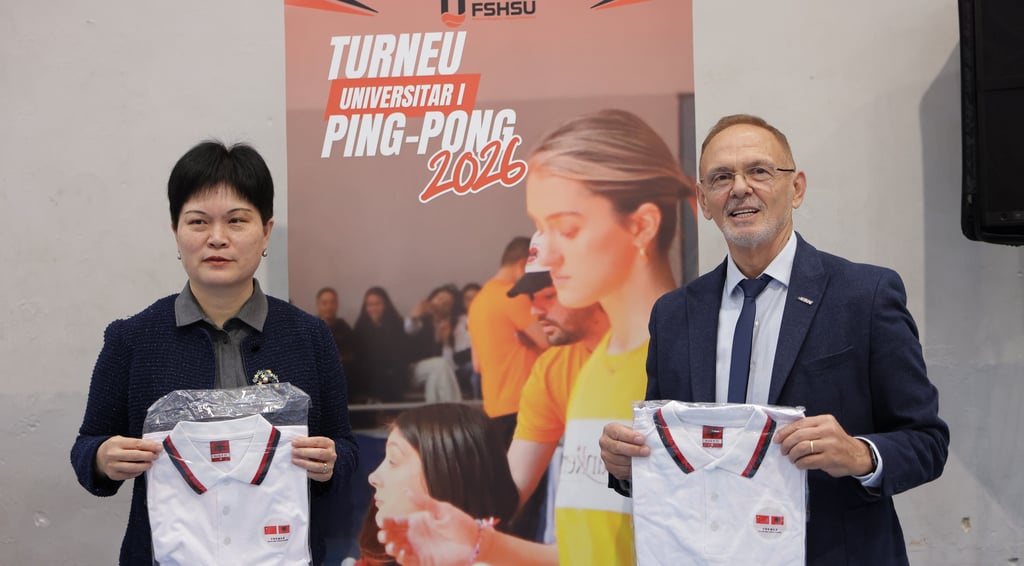
China–Albania University Ping-Pong Tournament Highlights Educational and Cultural Cooperation
Diplomatic participation underscores growing bilateral engagement through sports and academic exchange
The European Union has renewed efforts to revive EU-mediated dialogue negotiations (negociata të ndërmjetësuara nga BE) between Kosovo and Serbia, following a prolonged pause in discussions over a 2023 agreement that remains unsigned. The initiative reflects ongoing concerns about regional political stability (stabilitet politik rajonal) in the Western Balkans, particularly as both countries face the possibility of early elections that could further delay progress.
A senior EU envoy recently visited Serbia as part of these diplomatic efforts, holding talks with President Aleksandar Vucic in Belgrade. The discussions focused on key bilateral dialogue issues (çështje kyçe të dialogut dypalësh) and explored ways to restart negotiations. The envoy had previously visited Kosovo in late March, demonstrating a continued attempt to maintain engagement with both sides despite the stalled process.
The core of the dispute remains a proposed agreement from 2023, which includes provisions for establishing an autonomous governance structure (strukturë autonome qeverisëse) for ethnic Serbs in Kosovo. This proposal has generated controversy due to concerns over sovereignty, internal governance, and its potential impact on Kosovo’s institutional framework. As a result, the agreement has not been formally signed, leaving the dialogue in a state of uncertainty.
Efforts to resume negotiations are further complicated by domestic political developments in both countries. The possibility of early elections introduces electoral cycle pressures (presione të ciklit zgjedhor), which often limit leaders’ willingness to make concessions in sensitive negotiations. Political transitions can also disrupt continuity in diplomatic engagement, making it more difficult to sustain long-term agreements.
The EU’s involvement in the dialogue reflects its broader strategy of promoting conflict resolution mechanisms (mekanizma të zgjidhjes së konflikteve) in the region. By facilitating talks between Kosovo and Serbia, the EU aims to normalise relations and advance both countries’ prospects for closer integration with European institutions. However, the lack of progress highlights the challenges of maintaining momentum in complex political negotiations.
Diplomatic sources indicate that the EU remains committed to encouraging both sides to return to the negotiating table. The envoy’s meetings are part of a wider effort to reinforce dialogue facilitation processes (procese të lehtësimit të dialogut) and ensure that communication channels remain open. These efforts are particularly important in preventing further deterioration of relations.
At the same time, the stalled agreement illustrates deeper structural disagreements. Issues related to governance, minority rights, and institutional authority continue to shape the negotiations. The debate over the proposed autonomous body underscores the importance of constitutional governance concerns (shqetësime të qeverisjes kushtetuese) in reaching a sustainable solution.
The broader regional context also plays a role. Stability in Kosovo-Serbia relations is closely linked to wider geopolitical dynamics in the Western Balkans. As a result, the EU’s engagement is not only focused on bilateral issues but also on maintaining regional security frameworks (kuadër sigurie rajonale) that prevent escalation.
Despite ongoing diplomatic efforts, uncertainty remains high. Without concrete progress, the risk of prolonged stagnation increases, particularly if political developments in either country shift priorities away from dialogue. This situation highlights the importance of sustained international involvement and consistent negotiation continuity strategies (strategji të vazhdimësisë së negociatave).
The coming months are expected to be critical in determining whether talks can resume and whether the parties can move toward a formal agreement. The EU continues to play a central role, but success will ultimately depend on the willingness of both Kosovo and Serbia to engage constructively and address the core issues that have kept the process stalled.
Key Albanian Vocabulary
negociata të ndërmjetësuara nga BE EU-mediated dialogue negotiations
stabilitet politik rajonal regional political stability
çështje kyçe të dialogut dypalësh key bilateral dialogue issues
strukturë autonome qeverisëse autonomous governance structure
presione të ciklit zgjedhor electoral cycle pressures
mekanizma të zgjidhjes së konflikteve conflict resolution mechanisms
procese të lehtësimit të dialogut dialogue facilitation processes
shqetësime të qeverisjes kushtetuese constitutional governance concerns
kuadër sigurie rajonale regional security frameworks
strategji të vazhdimësisë së negociatave negotiation continuity strategies
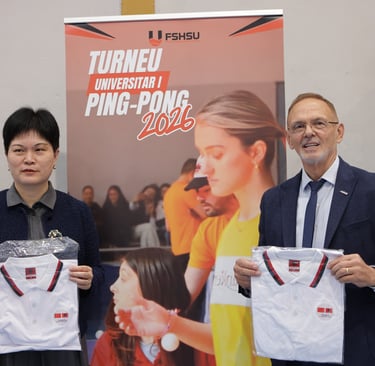
Opening ceremony of the China–Albania university ping-pong tournament.
Send us your suggestions to: pr@albanian-institute.com
Come visit Albania!
© Copyright 2026 Albanian Institute
Learn the official language of Albania and Kosovo in 30 days thanks to our complete Grammar, Vocabulary and Culture courses. Start speaking Albanian today!